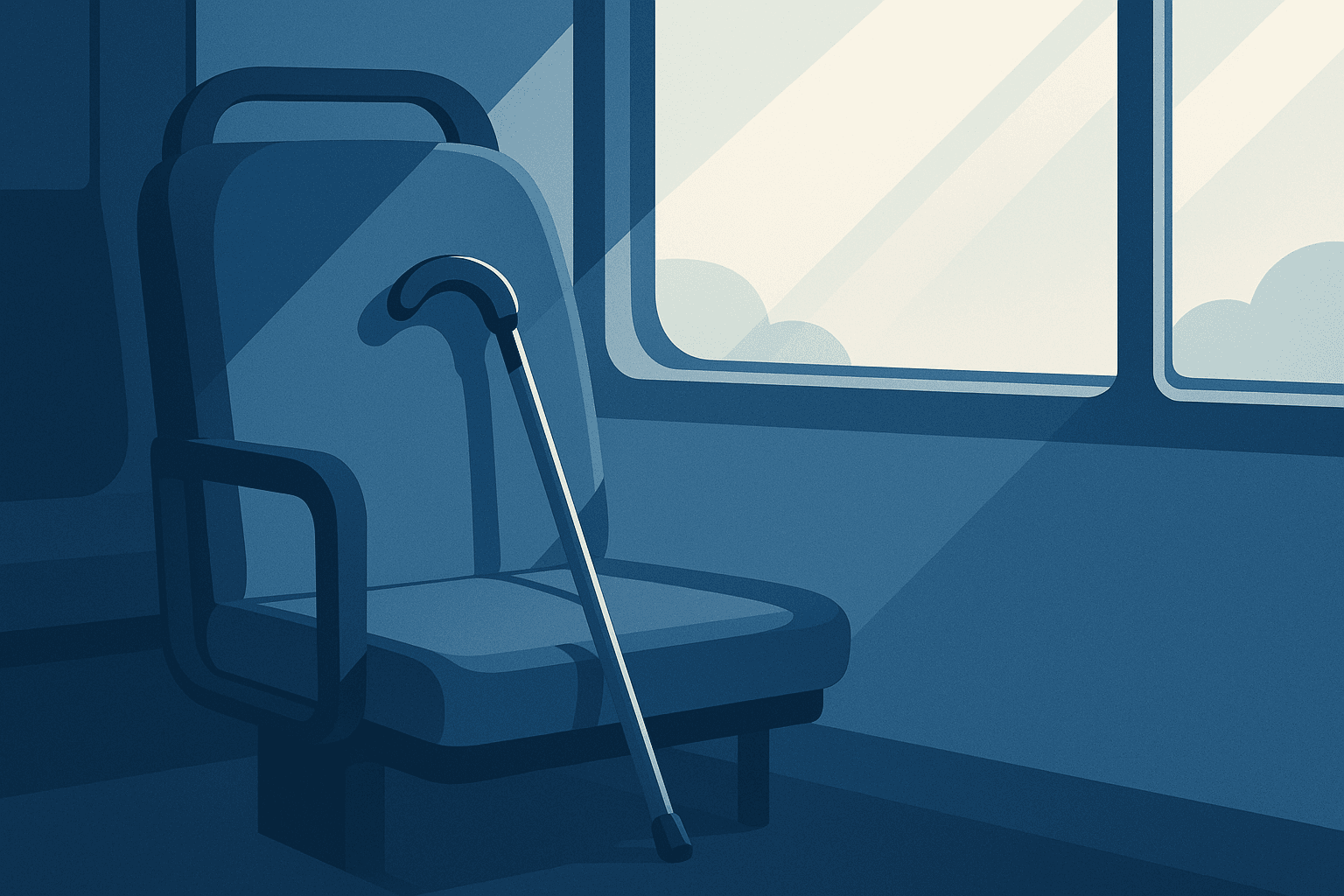
Key Question: Why is the senior free ride system in Korea controversial?
Direct Answer: The senior free ride system in Korea is increasing the financial burden on Seoul and Busan. By providing unconditional benefits to all seniors, it causes traffic congestion during rush hours. Possible improvements include time restrictions and consideration of income levels.
Introduction (Background and Situation)
In Korea, there is a system that allows seniors to use the subway for free. This policy aims to assist the mobility of the elderly, but recently, the financial burden resulting from it has been increasing. Foreign experts residing in Korea point out that this system is somewhat inefficient compared to those in other countries.
Key Information 1 - Korea's Senior Free Ride System
Q: What are the problems with Korea's senior free ride system?
A: Korea's senior free ride system provides unconditional benefits to all seniors, leading to traffic congestion and financial burdens.
- No restrictions during rush hours exacerbate congestion
- Benefits are provided regardless of income level
- Increased financial burden on Seoul and Busan
Key Information 2 - Improvement Measures
Korea's senior free ride system needs to be improved by referencing examples from other countries around the world. Major measures include imposing usage restrictions during rush hours and providing differentiated benefits based on income levels.
Practical Advice and Tips
- Participate in public hearings for policy improvement
- Review relevant statistics and reports
- Study overseas cases
Frequently Asked Questions
Q1: Do all seniors receive free ride benefits?
A: Yes, currently all seniors receive free ride benefits.
Q2: How is it operated in other countries?
A: Many countries impose time restrictions and income criteria.
Q3: Is there a possibility of policy changes?
A: Discussions on policy changes are ongoing due to financial burden issues.
Additional Tips and Precautions
The senior free ride system is an important policy that promotes the mobility of the elderly. However, considering the long-term financial burden, efficient improvements are necessary. It is essential to gather opinions from various stakeholders to develop a sustainable policy.
Conclusion
Korea's senior free ride system is at a point where improvement is needed. By introducing time restrictions and income criteria, it should aim to enhance efficiency and reduce financial burdens. Participating in policy improvements based on reliable sources and data is important.